
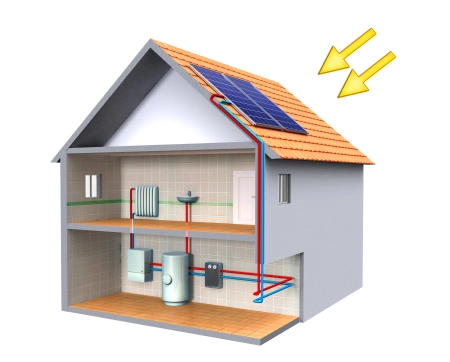
Photothermal energy is a form of energy use that consists of the direct conversion of sunlight into heat. This physical process is based on the absorption of electromagnetic radiation (mainly sunlight) by a material, which then transforms that energy into usable thermal energy.
In a global context where the energy transition and the search for renewable energies are priorities, photothermal energy is positioned as a key alternative within the set of solar technologies.
What exactly is photothermal energy?
Photothermal energy is the process by which solar radiation is converted into heat when it is absorbed by a specific surface or material. This phenomenon is essential to understand its operation and its multiple applications in different sectors.
When sunlight hits an object, there are several physical interactions that determine how the energy is used. These interactions can be summarized in the following main processes:
- Some of the radiation is reflected.
- Part is transmitted (depending on the material).
- Some of it is absorbed.
- The absorbed energy is transformed into heat.
Physical Principles of Photothermal Energy
The operation of photothermal energy is based on fundamental laws of physics that explain how solar energy is transformed into usable heat. These principles make it possible to design efficient systems for capturing and using heat.
The main physical processes involved are the following:
- Absorption of solar radiation by specific materials.
- Conversion of electromagnetic energy into thermal energy.
- Heat transfer to a fluid or storage system.
- Reduction of losses through thermal insulation.
Difference Between Photothermal and Photovoltaic Energy
To better understand the role of photothermal energy within the energy landscape, it is important to compare it with photovoltaic energy, since both come from the sun but have different objectives.
Below are the main differences between the two technologies:
| Feature | Photothermal energy | Photovoltaic energy |
|---|---|---|
| Result | Heat | Electricity |
| Technology | Solar thermal collectors | Solar panels |
| Main Use | Hot water, heating | Power generation |
| Energy efficiency | High thermal production | High in electricity generation |
How a photothermal energy system works
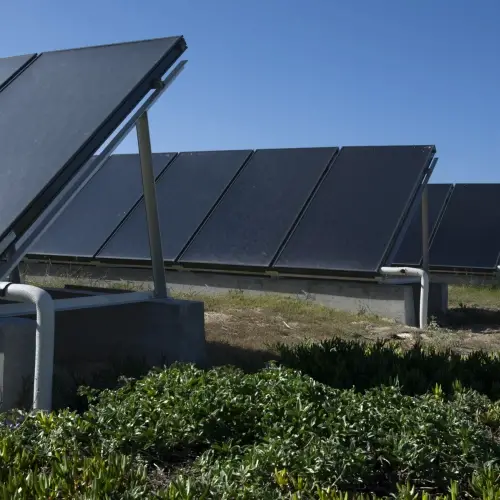 A photothermal energy system is made up of several elements that work together to capture, transfer and store heat from the sun. Its design is optimized to maximize energy efficiency.
The main components of a photothermal system are the following:
- Solar collector (flat or vacuum tubes).
- Heat transfer fluid (water or antifreeze mixture).
- Heat exchanger.
- Thermal storage tank.
- Heat distribution system.
Types of Photothermal Energy
Photothermal energy can be classified according to the working temperature and the type of application. This classification allows the technology to be adapted to different energy needs.
The main types of photothermal energy are:
- Low temperature (domestic use).
- Medium temperature (commercial and industrial use).
- High temperature (solar thermal power plants).
Photothermal Energy Applications
Photothermal energy has a wide variety of uses in different sectors, making it a very versatile technology within the field of renewable energy.
Its main applications include:
- Heating of sanitary water in homes.
- Heating and air conditioning systems.
- Industrial drying and heating processes.
- Agricultural applications such as greenhouses and crop drying.
Advantages of photothermal energy
Photothermal energy offers numerous benefits both economically and environmentally. Its adoption contributes to the reduction of conventional energy consumption.
Among its main advantages are:
- Renewable and clean energy.
- Reduction of fossil fuel consumption.
- High efficiency in heat conversion.
- Mature and reliable technology.
- Low operational maintenance.
Disadvantages of Photothermal Energy
Despite its benefits, photothermal energy also has certain limitations that must be taken into account when designing harvesting systems.
Among its main disadvantages are:
- Dependence on solar radiation.
- Need for thermal storage systems.
- Requires space for the installation of collectors.
- Variability of performance according to the weather.
Photothermal energy and sustainability
Photothermal energy plays a key role in the transition to a more sustainable energy model. Its ability to reduce emissions and optimize resources makes it a key technology.
Its contributions to sustainability include:
- Reduction of CO₂ emissions.
- Reduction of fossil energy consumption.
- Improving energy efficiency in buildings.
- Promotion of energy self-sufficiency.
Future of Photothermal Energy
The development of photothermal energy is closely linked to technological innovation and integration with other renewable energy systems.
Future trends include:
- Use of advanced materials and nanomaterials.
- Hybrid systems with photovoltaic energy.
- Integration with artificial intelligence for optimization.
- Better thermal storage systems.