 Solar Energy

Solar energy makes it possible to take advantage of the sun's radiation to generate useful energy. However, not all solar energy works the same way. When talking about solar installations, it is common to find two different technologies: photovoltaic solar energy and solar thermal energy.
Although both use the sun as an energy source, their operation, applications and purpose are different. Knowing their differences is key to choosing the most appropriate option according to the needs of each home, business or industrial facility.
What is photovoltaic solar energy?
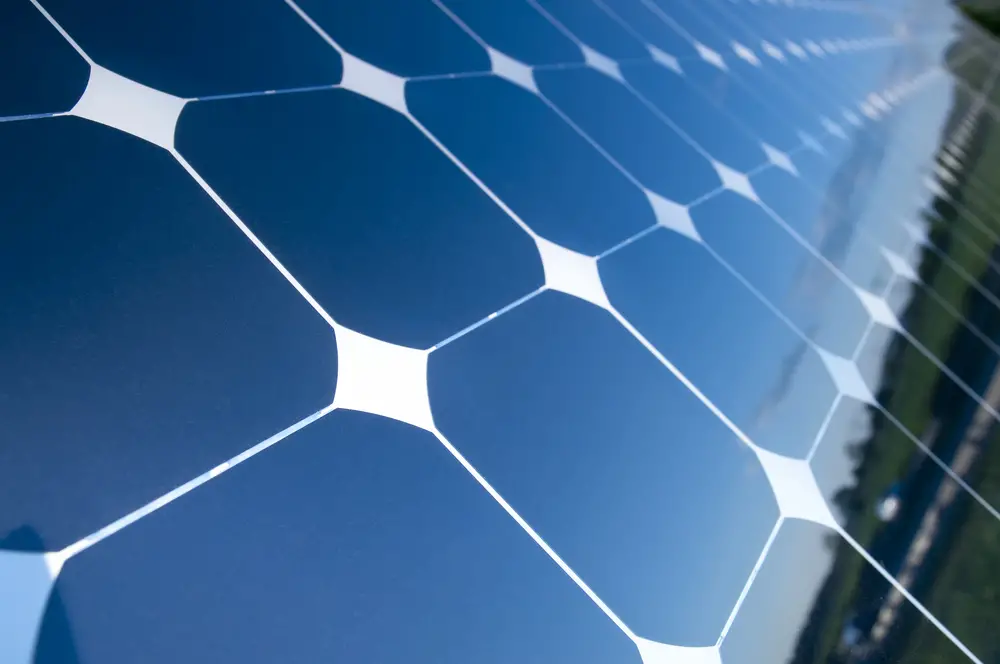 Photovoltaic solar energy transforms sunlight directly into electricity through solar panels made up of photovoltaic cells.
These cells capture solar radiation and generate direct electric current. An inverter then transforms this energy into alternating current to be used in homes, companies or facilities connected to the electricity grid.
It is mainly used for:
- Generating electricity for self-consumption
- Reduce electricity bills
- Storing energy in solar batteries
- Dumping surpluses into the electricity grid
It is one of the fastest growing renewable technologies worldwide due to its versatility and ease of installation.
What is solar thermal energy
Solar thermal energy takes advantage of solar radiation to produce heat.
Instead of generating electricity, this system uses solar thermal collectors that capture heat from the sun and transfer it to a fluid, usually water or a mixture with antifreeze.
That heat can be used to:
- Domestic hot water (DHW)
- Heating
- Pool heating
- Industrial Thermal Processes
It is an especially efficient technology when the main need is to generate heat instead of electricity.
Main Differences Between Solar Photovoltaic and Solar Thermal
Although both harness the sun's energy, there are important differences between them.
1. Type of energy they produce
The main difference is in the energy result obtained.
Photovoltaic energy: Produces electricity.
Solar thermal energy: Produces heat.
This is the most important difference and the one that determines the use of each system.
2. Technology used
Each system uses different components.
Photovoltaic
Use:
- Photovoltaic solar panels
- Solar Inverter
- Electrical wiring
- Batteries (optional)
Thermal
Use:
- Solar thermal collectors
- Hot water storage tank
- Heat exchanger
- Pipes
- circulating pump
Although visually they may seem similar, their inner workings are completely different.
3. Applications
Both technologies have different uses. We mention the most frequent:
Uses of photovoltaics
- Domestic electricity supply
- Residential self-consumption
- Industrial Facilities
- Lighting
- Solar Pumping
- Electric Vehicle Charging
Uses of solar thermal energy
- Domestic hot water
- Heating
- Heated pools
- Industrial processes with thermal demand
4. Energy performance
In terms of solar use, thermal energy usually achieves a higher performance when the objective is to produce heat.
A solar thermal system can convert a very high percentage of solar radiation into useful heat.
Photovoltaic panels, on the other hand, transform only a part of this radiation into electricity, although this electricity is much more versatile and can be used for multiple uses.
5. Installation Cost
The price depends on the size of the installation, the type of home and energy consumption.
In general:
Photovoltaic
- Higher initial investment
- Greater long-term electricity savings
- Possibility of compensation of surpluses
Solar thermal
- Installation usually simpler
- Lower cost in small home systems
- High efficiency for producing hot water
Currently, the fall in the price of solar panels has especially boosted the installation of photovoltaics in homes.
6. Maintenance
Both require reduced maintenance, although there are differences.
Photovoltaic
Mainly:
- Regular panel cleaning
- Investor Review
- Checking electrical connections
Solar thermal
You may require:
- Hydraulic circuit check
- Thermal fluid control
- Accumulator maintenance
- Pressure and temperature control
As a result, PV is often considered easier to maintain in the long term.
Which is better: solar photovoltaic or thermal energy?
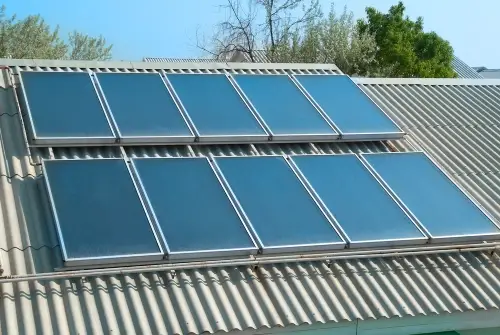 There is no universally better option. It all depends on the energy use you want to cover.
Photovoltaic energy is more recommended if you are looking for:
- produce its own electricity
- Reduce your electricity bill
- Charging batteries
- Powering appliances
- achieve greater energy independence
Solar thermal energy is more recommended if you are looking for:
- Producing domestic hot water
- Support heating systems
- Heating a pool
- Cover a constant thermal demand
In many cases, both technologies can coexist in the same home or building.
Can both technologies be combined?
Yes. In fact, it is an increasingly frequent solution.
A combined installation may incorporate:
- Photovoltaic panels to generate electricity
- Solar thermal collectors to produce hot water
In this way, solar energy is used to cover both electricity consumption and thermal demand, increasing the overall energy efficiency of the building.
Comparison Table: Photovoltaics vs Solar Thermal
| Feature | Photovoltaic energy | Solar thermal energy |
|---|---|---|
| What it produces | Electricity | Heat |
| Technology | Photovoltaic cells | Thermal collectors |
| Main Use | Electricity consumption | Hot water and heating |
| Domestic installation | Very common | Very common |
| Possibility of batteries | Yes | No |
| Grid surpluses | Yes | No |
| Industrial Application | Very high | Very high |
| Maintenance | Low | Low-medium |
Conclusion
The main difference between solar PV and solar thermal is in the type of energy they generate.
Photovoltaics convert solar radiation into electricity, while solar thermal energy transforms that energy into heat.
Choosing one or the other depends on the objective:
- If you need electricity → photovoltaic energy
- If you need heat or hot water → solar thermal energy
Both are renewable, clean and sustainable technologies that help reduce conventional energy consumption and move towards a more efficient energy model.