 Solar Energy

Electricity and electronics: two related concepts, but not the same
Most people use electrical and electronic devices on a daily basis without stopping to think about the difference between the two terms. Turning on a lamp, charging a mobile phone or starting up a solar installation are everyday actions that depend on electricity and electronics, two disciplines that are closely related but have very different functions.
Although they are often used synonymously, the reality is that each plays a specific role in the functioning of modern technology.
Electricity: the energy that moves the world

Its main function is to generate, transport and supply energy where it is needed. When a power plant produces electricity and it reaches our homes through kilometers of distribution lines, we are talking about a purely electrical process.
To understand how electricity works, there are a few fundamental concepts:
-
Electric current: it is the flow of electrons through a conductor.
-
Voltage or tension: it is the force that drives that movement of electrons.
-
Resistance: it is the opposition that the current encounters when circulating.
-
Electrical power: indicates the amount of energy consumed or supplied in a certain time.
These principles make it possible to design and operate from a simple domestic installation to a complex electrical distribution network.
Electronics: When electricity becomes information
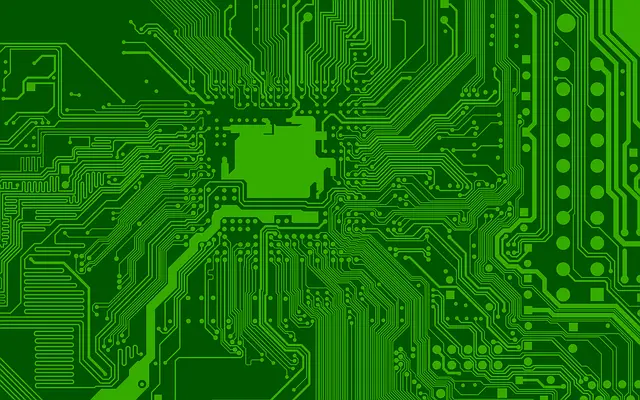 While electricity is responsible for transporting energy, electronics focus on controlling that energy to perform specific tasks.
Electronics use small electrical currents to process information, make decisions, or execute specific functions within a device. It is the technology that allows a smartphone to process data, a computer to run programs, or a modern car to automatically manage multiple systems.
To achieve this, it employs specialized components such as transistors, diodes, capacitors, and integrated circuits. These elements allow electrical signals to be modified, amplified or interpreted with great precision.
In other words, electricity provides the energy; electronics give it intelligence.
The Simplest Difference to Understand
A practical way to distinguish the two concepts is to imagine a city.
Electricity would be the network of roads on which vehicles circulate. Its mission is to ensure that traffic reaches all destinations.
Electronics, on the other hand, would be the system of traffic lights, sensors and control centers that regulate that traffic, make decisions and optimize its operation.
Without electricity, there would be no energy needed to power the devices. Without electronics, these devices would not be able to perform complex functions or respond to the needs of users.
Main Differences Between Electricity and Electronics
Although they share the same physical basis, they have important differences:
Objective
Electricity is primarily concerned with generating, transporting, and using electrical energy.
Electronics focus on controlling and processing that energy to execute specific functions.
Components
Electrical systems use elements such as cables, switches, motors, transformers or generators.
Electronic systems employ transistors, microprocessors, integrated circuits, and sensors.
Type of work
Electricity generally works at high power levels intended to power equipment and systems.
Electronics typically operate with low-power signals intended to transmit information or control processes.
Applications
Electricity is present in electrical installations, distribution networks, lighting or industrial machinery.
Electronics are the basis for computers, mobile phones, televisions, navigation systems, robots, and telecommunications equipment.
The example of solar energy
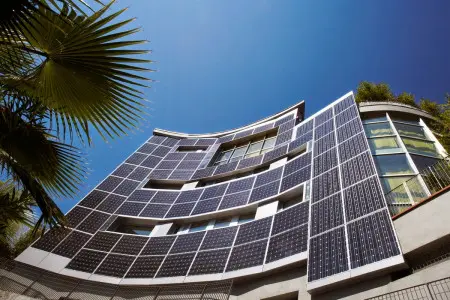
On the one hand, photovoltaic panels transform solar radiation into electricity. That energy must be transported by conductors and converted into alternating current so that it can be used in homes, businesses or power grids.
This is where the electrical part of the system comes into play.
However, for a solar system to operate efficiently, it is also necessary to continuously monitor its performance. Modern inverters monitor energy production, detect incidents, regulate power and optimize the operation of each panel.
In addition, when the installation incorporates batteries, the electronics manage the charging and discharging processes to maximize the useful life of the system.
In this case, electricity provides the energy and electronics are responsible for managing it intelligently.
Two inseparable disciplines
The technological evolution of recent decades has meant that electricity and electronics work more and more together. From a smart home to an electric vehicle, virtually all of today's advances combine systems capable of supplying power and circuits capable of processing information.
Therefore, although their functions are different, both disciplines are complementary and essential for the development of modern society. Electricity provides the force needed for devices to work; Electronics allow these devices to be increasingly efficient, accurate and intelligent.